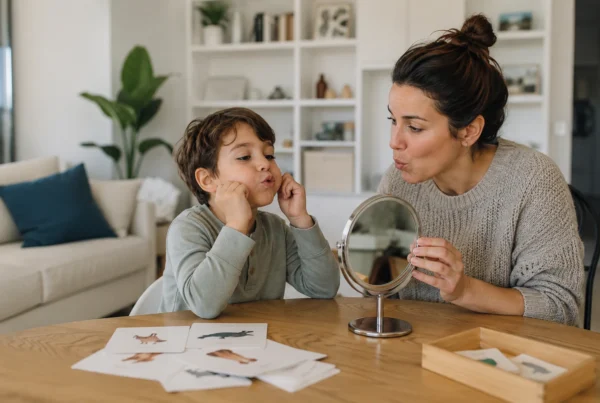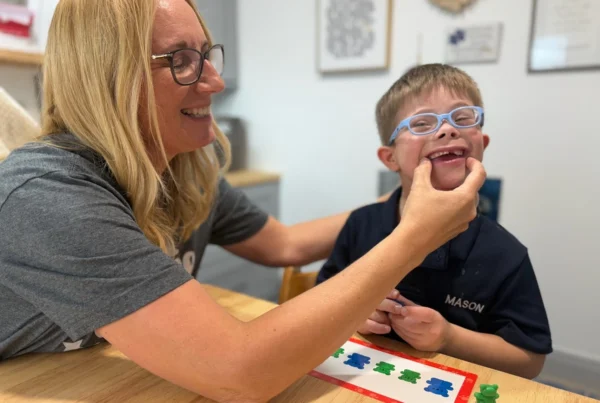


Evidence-based early intervention speech therapy uses scientifically proven methods during children’s most critical developmental periods. These approaches target brain plasticity windows when young minds learn communication skills most easily. Research-backed techniques produce better outcomes than generic or outdated therapy methods. Family involvement and individualized treatment plans maximize intervention effectiveness. Early identification and prompt treatment prevent minor speech concerns from becoming major challenges.
Scientific Speech Therapy That Works
Evidence-based early intervention speech therapy serves as a powerful catalyst for children’s communication development during the most critical learning periods. This scientifically-grounded approach supports children’s ability to express themselves effectively while building strong foundations for future academic and social success. Jill Dews, who founded Let’s Talk Speech and Language Therapy in Mission Viejo in 2002, has witnessed how evidence-based practices transform children’s communication abilities and overall confidence throughout their developmental journey.
Research-proven therapy methods directly enhance cognitive development by strengthening language skills that are essential for learning, thinking, and environmental engagement. Children who participate in evidence-based speech therapy develop stronger abilities to express ideas and understand others, creating solid foundations for educational achievements throughout their school years.
Evidence-based approaches also address social-emotional growth by building communication confidence that enables stronger peer relationships and easier navigation of social situations. Children who can express themselves clearly are more likely to participate in group activities and form meaningful connections with classmates and friends in their community.
Maximizing Brain Plasticity for Growth
Early childhood brain plasticity creates unique opportunities for impactful speech therapy intervention that can produce lasting communication improvements. Young brains demonstrate remarkable flexibility in absorbing and integrating new linguistic patterns, making this developmental period optimal for addressing communication challenges effectively.
Critical language acquisition periods coincide with heightened brain adaptability when children’s minds are uniquely suited to embed crucial speech and language skills. Evidence-based early intervention works during these windows, allowing children to develop communication abilities more permanently than interventions started later in development.
Preventive intervention helps avoid future communication challenges by ensuring that brain pathways for speech and language develop correctly from the beginning. This proactive approach prevents the cascade of educational and social issues often associated with delayed speech development, creating better long-term outcomes for children and families.
Overcoming Misconceptions About Therapy
Common misconceptions about early speech therapy create barriers that prevent children from receiving timely support when intervention would be most effective. Addressing these misunderstandings helps families make informed decisions about their child’s communication development needs.
| Common Misconception | Reality | Impact on Children |
| “Children outgrow speech delays naturally” | Many delays require professional intervention | Missed critical development windows |
| “Speech therapy is only for severe problems” | Early intervention helps all levels of need | Preventable escalation of minor issues |
| “Waiting until school age is acceptable” | Earlier intervention produces better outcomes | More intensive treatment required later |
| “Speech therapy creates dependency” | Builds independence and confidence | Enhanced self-advocacy skills |
| “Family involvement isn’t necessary” | Parents are essential therapy partners | Slower progress without home support |
Social stigma can prevent parents from pursuing therapy due to concerns about labeling or judgment from others. Creating community cultures that value wellness and supportive interventions helps families feel comfortable seeking help when their children need communication support.
Lack of awareness about speech therapy benefits represents another significant barrier to accessing appropriate services. Demonstrating how evidence-based intervention leads to better educational outcomes and social integration motivates families to prioritize early communication development.
Creating Accessible Treatment Approaches
High-quality speech therapy must be both readily accessible and tailored to each child’s unique communication needs. Moving beyond one-size-fits-all approaches to personalized care creates optimal conditions for meaningful progress and lasting improvements.
Proximity to therapy services eliminates barriers that might otherwise prevent consistent participation in intervention programs. Local specialists provide personalized care without requiring extensive travel, ensuring that families can maintain regular therapy schedules that support steady progress toward communication goals in Mission Viejo and throughout Orange County.
Individualized therapy approaches recognize that children’s speech and language needs vary significantly based on their specific challenges, learning styles, and developmental patterns. Tailored treatment plans address particular concerns more effectively than generic programs, leading to better outcomes and faster progress toward functional communication abilities.
Tangible results from specialized, accessible therapy encourage more families to participate in early intervention services. Success stories within communities serve as powerful testimonials that reinforce the value of investing in local, customized speech therapy options for children with communication needs.
Implementing Research-Backed Strategies
Let’s Talk Speech and Language Therapy integrates scientific evidence into every therapeutic strategy, creating solutions that address each client’s unique communication challenges through proven methods. This commitment to evidence-based practice ensures that families receive interventions with documented effectiveness rather than experimental approaches.
Research-grounded techniques provide families with confidence that their children are receiving care based on scientifically validated methods. This dedication to proven interventions allows for meaningful progress in communication skills while eliminating guesswork about treatment effectiveness.
Here are key evidence-based practices used in early intervention speech therapy:
- Applied Behavior Analysis techniques for systematic skill building
- Naturalistic intervention approaches that embed learning in play
- Parent-implemented intervention training for home reinforcement
- Augmentative communication supports during speech development
- Multi-modal sensory approaches that engage multiple learning pathways
- Progress monitoring systems that track objective improvement measures
Individualization ensures that evidence-based methods are adapted to fit each child’s specific situation and needs. Therapists analyze the unique aspects of every child’s communication challenges to fine-tune interventions for maximum effectiveness, whether children require articulation support, language development, or social communication skills enhancement.

Monitoring Progress and Adapting Plans
Effective speech therapy requires responsive approaches that adapt to each child’s evolving needs and developmental changes. Knowing when and how to modify therapeutic strategies ensures continuous growth in communication abilities while maintaining appropriate challenge levels.
Progress against established milestones provides crucial data for treatment planning and strategy adjustment decisions. Regular assessment against developmental benchmarks ensures that therapy remains aligned with each child’s growth patterns, signaling when current approaches need reevaluation or modification.
Child engagement levels serve as important indicators of intervention effectiveness and appropriateness. When enthusiasm for therapy sessions decreases, this often signals the need for fresh approaches that can rekindle interest and catalyze renewed progress toward communication goals. Life circumstances changes may necessitate therapy adjustments to maintain relevance and effectiveness.
Building Family Support Systems
Professional guidance and family resources work together to create comprehensive support networks that extend therapeutic benefits beyond clinical sessions. Educational materials, personalized coaching, and ongoing professional consultation empower families to become active partners in their children’s communication development journey.
Families receive educational resources that explain speech therapy processes and developmental milestones, building parental confidence in supporting their children’s progress. These materials transform everyday interactions into extensions of the therapeutic environment, maximizing practice opportunities throughout each day.
Personalized coaching helps family members integrate speech exercises into daily routines, making every conversation and play session an opportunity for communication skill development. Training on specific techniques enables parents to become vital contributors to their children’s progress through consistent home practice.
Ongoing professional consultation sustains momentum by providing consistent feedback and addressing questions as they arise. Community partnerships create broader support networks that connect families with additional resources and services. Digital resources and technology tools enhance traditional therapy approaches while providing families with convenient access to practice materials and progress tracking systems.
Prevention Through Community Education
Preventive measures in speech therapy involve proactive steps to address communication challenges promptly before they escalate into more complex difficulties. Strategic partnerships and educational initiatives within communities create environments that support early identification and intervention for optimal outcomes.
Early detection programs work with local pediatricians and educators to identify speech and language difficulties as soon as possible. Training healthcare and educational professionals on early warning signs enables swift community response that prevents minor concerns from developing into major challenges.
Parent education workshops and resources empower families to recognize and respond to speech concerns from infancy onward. Greater understanding enables proactive approaches to fostering speech development that can minimize or prevent future communication difficulties entirely. Community organization partnerships create widespread support networks that ensure information about speech development reaches all families.
Achieving Lasting Communication Success
Early intervention represents a powerful investment in children’s communicative abilities that yields significant long-term benefits for academic, social, and personal success. Recognition of developmental brain plasticity means understanding that early childhood offers tremendous potential for embedding strong communication skills that will endure throughout life.
Evidence-based practice applications ensure that intervention efforts are effective and grounded in scientific research rather than outdated or unproven methods. Proven techniques foster confidence in therapeutic processes while ensuring that investments in children’s communication development produce meaningful returns in learning and interaction abilities.
The enduring impact of quality early intervention extends far beyond addressing immediate concerns to contribute to lifelong communication success. Ready to give your child the benefits of evidence-based early intervention speech therapy? Let’s Talk Speech and Language Therapy in Mission Viejo combines scientific research with personalized care to create optimal outcomes for children’s communication development. Jill Dews brings her Master’s degree from Cal State Long Beach and extensive experience in Orange County schools to provide proven interventions that work.
Let’s Talk Speech and Language Therapy
27285 Las Ramblas, Suite #210
Mission Viejo, California 92691
(949) 218-0508
Driving Directions
Jill Dews, M.A., CCC-SLP
CA License #: SP12461
Link to Verify License
Frequently Asked Questions
What is evidence-based early speech therapy?
Evidence-based early speech therapy uses scientifically proven methods and techniques that have been tested through research to help children develop communication skills during their most critical growing years. This approach applies interventions with documented effectiveness rather than experimental or outdated methods, giving every child the best possible foundation for communication success.
Why is early intervention important?
Early intervention takes advantage of children’s natural brain plasticity during critical developmental periods when their minds are most adaptable to learning new communication patterns. Starting therapy during these optimal windows makes it easier for children to acquire and master speech and language skills while preventing minor delays from becoming major challenges.
How can I tell if my child needs speech therapy?
Watch for signs like delayed first words, difficulty forming age-appropriate sentences, trouble being understood by family members, or challenges following simple directions. While each child develops at their own pace, persistent concerns about communication progress compared to developmental milestones warrant professional evaluation. A qualified speech-language pathologist can assess your child’s needs and determine whether intervention would be beneficial.
Related Articles