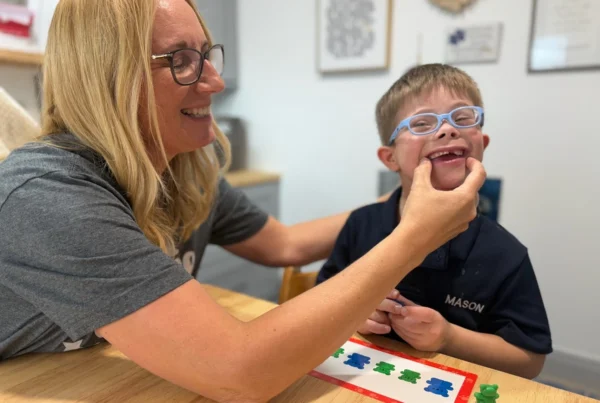



Early intervention speech programs work during critical years when children’s brains are most adaptable to learning. These programs identify and address communication delays before they become entrenched patterns. Professional teams guide families through enrollment processes and eligibility requirements. Flexible service options including virtual therapy accommodate different family needs and schedules. Evidence-based practices ensure children receive scientifically proven interventions during peak growth periods.
Harnessing Critical Developmental Windows Through Expert Care
Early intervention speech therapy plays a defining role in childhood development by working during formative years when children’s brains demonstrate remarkable adaptability for learning new communication skills. These programs create strong foundations for future growth and learning success. Jill Dews, who founded Let’s Talk Speech and Language Therapy in Mission Viejo in 2002, understands that proactive support during early years harnesses natural brain plasticity when the mind’s ability to change reaches peak levels.
Specialized therapists work with children to reinforce language abilities, transforming everyday interactions into powerful learning opportunities. These connections help children develop communication confidence while building essential skills they’ll use throughout their educational journey.
Early intervention programs identify and address potential developmental delays before they become deeply rooted challenges. By evaluating children’s communication abilities and intervening promptly, therapists can redirect developmental paths, often producing substantial long-term benefits for children and their families.
Navigating Complex Early Intervention Systems Successfully
Engaging with early intervention systems can present significant barriers that prevent families from accessing crucial services when children need them most. Complex eligibility guidelines create initial hurdles that can overwhelm parents who are already managing daily caregiving responsibilities while trying to understand their child’s needs.
Comprehensive documentation requirements add another layer of complexity to enrollment. Gathering medical records, developmental assessments, and other required reports can feel overwhelming for families who may not understand which documents are necessary or how to obtain them efficiently.
Deciphering specific program criteria requires expertise that most families don’t possess. Each intervention program maintains unique requirements that can be difficult to understand without professional guidance. Administrative burdens can delay critical services during optimal developmental periods, so families benefit from dedicated support teams who provide clear explanations, step-by-step guidance, and assistance with document collection.
Building Trust Through Community-Centered Care Approaches
Trust forms the foundation for successful early intervention partnerships between families and service providers. Local providers who understand community needs, cultural dynamics, and available resources can create more effective intervention programs tailored to each family’s unique circumstances and goals.
| Trust Building Factor | Why It Matters | How It Helps Families |
| Community understanding | Cultural sensitivity in treatment | More personalized, effective care |
| Adaptive care approaches | Flexibility as children grow | Sustained progress over time |
| Consistent relationships | Reliable partnership development | Stronger family engagement |
| Local resource knowledge | Access to community supports | Comprehensive care coordination |
| Transparent communication | Clear expectations and goals | Reduced anxiety and confusion |
Adaptive care capabilities demonstrate providers’ commitment to modifying intervention strategies as children grow and develop new needs. Parents value flexibility in therapeutic approaches because it shows that providers understand child development as an evolving process requiring responsive adjustments.
Reliable partnerships ensure successful long-term collaboration between families and intervention teams. Consistent engagement with families while demonstrating genuine commitment to children’s progress builds bonds that are essential for intervention success. Community-integrated approaches that align with family goals create solid foundations for development and learning.
Ensuring Timely Access to Critical Intervention Services
Minimizing waiting times prevents delays that could interrupt children’s developmental momentum during crucial learning periods. Long waiting lists can postpone intervention services when children’s brains are most receptive to communication skill development, potentially reducing treatment effectiveness.
Clear eligibility criteria eliminate confusion that might delay intervention access. When families understand qualification requirements and receive support throughout evaluation processes, children can begin receiving necessary services more quickly during optimal developmental windows.
Responsive intake processes ensure swift access to intervention services through prompt inquiry responses and efficient enrollment procedures. Quick approaches prevent children from waiting for support during pivotal growth stages when intervention produces the most significant benefits.
Empowering Families Through Strategic Service Options
Flexible service delivery options accommodate varying family needs, circumstances, and preferences through both in-person and virtual therapy sessions. This accessibility ensures that children don’t miss vital speech therapy due to scheduling conflicts, transportation challenges, or other logistical barriers that might otherwise prevent consistent participation.
Here are key ways early intervention programs empower families:
- Multiple service delivery formats including home visits and telehealth options
- Comprehensive information sharing about therapy goals and progress updates
- Training sessions that help parents support development during daily activities
- Clear communication about treatment approaches and expected outcomes
- Resource provision for continued learning between therapy sessions
- Family-centered goal setting that aligns with individual priorities and values
Transparent information sharing keeps families informed throughout therapeutic processes. Clear explanations of therapy objectives, regular progress updates, and guidance for supporting development at home enable parents to become active participants in their children’s communication growth.
Trust and resilience building occurs when programs combine efficient services with genuine empathy for each family’s unique journey. Supportive environments help families feel understood and confident about their children’s care while strengthening their ability to navigate challenges effectively.

Understanding Evidence-Based Benefits for Informed Decision Making
Developmental benefits of early intervention programs become apparent when families understand how these services strengthen communication skills during periods of remarkable brain growth. This knowledge helps parents appreciate the importance of timely enrollment and its impact on their children’s learning paths and social interaction abilities.
Evidence-based practice foundations provide families with assurance that therapeutic approaches are grounded in sound research with documented success in supporting children’s developmental progress. Understanding this scientific backing fosters trust in intervention services and confidence in potential outcomes.
Family-centered alignment ensures that intervention programs support not only individual milestones but also enhance families’ abilities to nurture their children’s ongoing development. This approach creates supportive environments that extend therapeutic benefits beyond clinical sessions into daily life interactions.
Providing Comprehensive Support Throughout the Enrollment Journey
Service coordinators serve as primary contacts who guide families through initial enrollment steps with personalized attention and clear explanations. These dedicated professionals work one-on-one with families to explain each stage, identify required documentation, and answer questions throughout the process.
Documentation support specialists assist with gathering medical records, completing forms, and ensuring accurate paperwork submission. This attention to administrative details prevents bureaucratic obstacles from delaying children’s access to necessary intervention services during critical developmental periods.
Ongoing communication creates open channels for progress updates, resource sharing, and concern addressing. Specialists provide consistent support that builds trust while ensuring families feel accompanied and empowered throughout their intervention journey. Personalized guidance reduces complexity and anxiety associated with starting early intervention programs in Mission Viejo and throughout Orange County.
Implementing Proactive Engagement and Scientific Methods
Active parent participation forms the cornerstone of successful early intervention programs. Training sessions equip parents to transform daily interactions into opportunities for reinforcing language and communication skills, accelerating children’s learning processes through consistent home practice.
Continuous progress monitoring allows for consistent tracking of developmental milestones and timely adjustments to therapy plans. Close observation of children’s advancements ensures that interventions remain aligned with evolving needs while promoting steady growth toward communication goals.
Evidence-based methodology ensures that interventions use scientifically supported strategies proven effective in early childhood development. This approach provides solid foundations for learning experiences while maximizing each child’s potential gains through research-backed techniques.
Creating Collaborative Partnerships for Lasting Success
Family engagement acknowledges parents as essential partners in their children’s developmental journeys. Customized strategies that meet individual needs while aligning with family goals create collaborative environments where everyone works toward shared objectives for communication success.
Resource diversity provides families with comprehensive tools for supporting their children’s progress beyond clinical settings. Educational materials, supportive services, and practical guides help embed therapeutic learning into daily life routines and family interactions.
Supportive environment cultivation creates spaces where children feel free to explore, learn, and grow with community encouragement. Ready to enroll your child in evidence-based early intervention services that prioritize family partnership and community support? Let’s Talk Speech and Language Therapy in Mission Viejo provides comprehensive programs designed to work during your child’s critical learning years. Jill Dews brings her Master’s degree from Cal State Long Beach and extensive experience in Orange County schools to create personalized intervention approaches that work for each family.
Let’s Talk Speech and Language Therapy
27285 Las Ramblas, Suite #210
Mission Viejo, California 92691
(949) 218-0508
Driving Directions
Jill Dews, M.A., CCC-SLP
CA License #: SP12461
Link to Verify License
Frequently Asked Questions
What makes early intervention programs crucial for my child?
Early intervention speech programs work during your child’s peak brain development period to enhance communication skills, address potential delays before they become entrenched, and establish strong foundations for future learning success. These programs operate during critical brain plasticity windows when children’s minds are most adaptable to acquiring new language patterns and communication abilities.
How can I trust local providers with my child’s care?
Trust develops when local providers demonstrate understanding of your community’s unique needs, cultural dynamics, and available resources while offering flexible, individualized care that adapts as your child grows. Look for providers who maintain transparent communication, involve families as partners in treatment planning, and show consistent commitment to children’s progress.
What if my child has to wait to get into a program?
Quality early intervention programs prioritize minimizing wait times because timeliness is crucial for optimal developmental outcomes. Look for providers who maintain responsive intake procedures, clear eligibility guidelines, and efficient enrollment processes to ensure children receive necessary support without significant delays. If waiting periods exist, ask about interim resources or supports that can help maintain your child’s progress while awaiting full program enrollment.
Related Articles