


You know that feeling when you wonder if your toddler is developing speech the way they should? You’re not alone in worrying about whether your child is hitting their communication milestones on time. Jill Dews, M.A., CCC-SLP, has helped countless families in Mission Viejo navigate these concerns at Let’s Talk Speech and Language Therapy, using her 20+ years of experience to guide parents through understanding normal development and when to seek help.
Early identification and intervention are essential in addressing speech delays in toddlers to avoid future communication challenges. Detecting early signs, according to American Speech-Language-Hearing Association (ASHA), means parents should monitor their child’s progress against typical milestones, like forming single words by 16-18 months.
Engaging in early intervention strategies involves speech therapy exercises or professional assessment when delays are apparent. Consistent monitoring and timely action are crucial, and if initial strategies don’t yield expected progress, it’s important to escalate to speech and language professionals.
Understanding What’s Normal for Your Child’s Age
Let’s talk about what you can expect from your little one as they grow. Every child develops at their own pace, but there are some general milestones that most kids hit around the same time. Think of these as guideposts rather than strict deadlines.
Around 9 months, you should start hearing babbling from your baby. This isn’t just cute sounds – it’s actually your child experimenting with language! They’re practicing the rhythm and sounds of speech even before they know what words mean. If your 9-month-old isn’t babbling yet, it’s worth keeping an eye on their development and mentioning it to your pediatrician.
Between 16 and 18 months, most toddlers start saying their first real words. We’re talking about meaningful words like “mama,” “dada,” or “ball” – not just random sounds. This is such an exciting milestone because it shows your child is making the connection between sounds and meaning. If your 18-month-old isn’t saying any clear words yet, that’s when many speech therapists recommend an evaluation.
By their second birthday, most children can put two words together to make simple phrases. You might hear “more juice,” “daddy go,” or “big dog.” This shows they’re starting to understand how language works to express more complex ideas. Missing this milestone often signals that extra support could be really helpful.
The thing is, some kids are just naturally quieter or take longer to warm up to talking. But knowing these general timelines helps you decide when it might be worth getting a professional opinion.
Red Flags That Deserve Your Attention
As a parent, you spend more time with your child than anyone else, which puts you in the perfect position to notice when something seems off. Here are some warning signs that speech professionals want you to watch for.
Limited vocabulary for their age is probably the most obvious red flag. By 18 months, most toddlers have at least 10-20 words they use regularly. By age 2, that number should jump to around 50 words or more. If your child seems stuck at just a few words, or if their vocabulary isn’t growing much over several months, that’s worth investigating.
Another concerning sign is when your child shows little interest in making sounds or copying what you say. Toddlers are natural mimics – they love to repeat sounds, words, and even silly noises you make. If your child doesn’t seem interested in this back-and-forth sound play, it could indicate they’re having trouble processing or producing speech sounds.
Here are some specific behaviors that warrant professional consultation:
- No babbling by 12 months old
- Not responding to their name consistently by 12 months
- Not pointing or gesturing to communicate by 14 months
- Not following simple directions by 18 months
Understanding issues also matter just as much as speaking problems. If your toddler consistently struggles to follow simple instructions like “get your shoes” or “come here,” this might indicate receptive language delays. Sometimes kids understand much more than they can say, but sometimes the understanding part needs extra support too.
Remember, you know your child better than anyone. If something feels off about their communication development, trust your instincts and don’t hesitate to ask for professional guidance.
Taking Action When You’re Concerned
You’ve noticed warning signs and you’re wondering what to do next. Start by getting an evaluation from a qualified speech-language pathologist. They’ll observe your child, play with them, and assess communication skills in a natural way. Good speech therapists make evaluations feel like playtime, not something scary or overwhelming.
The evaluation identifies exactly what areas need support. Maybe your child understands everything but has trouble making certain sounds, or perhaps they struggle with putting words together. Some children need help with both understanding and expressing language. Getting this clear picture helps create the most effective treatment plan targeting vocabulary building, mouth muscle exercises for clearer speech, or techniques to encourage more communication attempts.
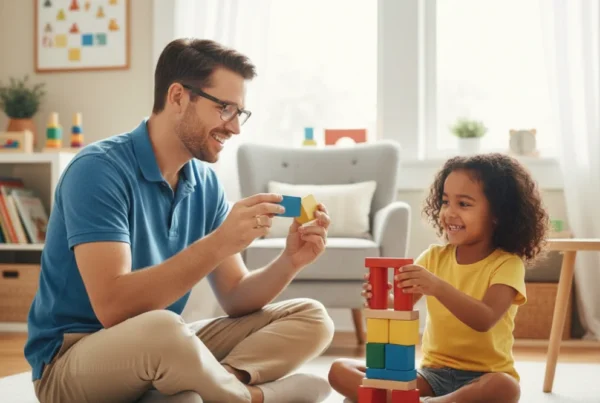
Early intervention for young children often feels like enhanced playtime rather than formal therapy. Toddlers learn best through play, so effective speech therapy involves fun activities, songs, and games that target important communication skills. Speech-language pathologists would rather see a child who turns out to be developing typically than miss one who could benefit from early support.
Don’t worry about overreacting or being too cautious. Taking action now makes sense because early intervention produces better outcomes than waiting. If something concerns you about your child’s speech development, trust that instinct and get it checked. Let’s Talk Speech and Language Therapy in Mission Viejo has helped Orange County families navigate these concerns for over 20 years with compassionate, effective care.
KKnowing When to Seek Professional Help
Parents often wonder if they should wait to see if their child catches up on their own. While every child develops differently, some signals mean professional evaluation shouldn’t be delayed. Missing key milestones or seeing regression warrants immediate attention.
| Age | Red Flag | Why It Matters |
|---|---|---|
| 12 months | No babbling or response to sounds/name | Babbling is fundamental to speech development; missing this milestone often indicates need for support |
| 15 months | No gesturing or pointing | Gestures are early communication tools that typically precede words |
| 18 months | No single words | Most children have several clear words by this age; missing this consistently predicts later language challenges |
| 24 months | Cannot combine two words | Two-word phrases like “more milk” should emerge around age 2 |
| Any age | Loss of previously acquired skills | Regression or stagnation indicates need for specialized support |
Trust your instincts. If something feels wrong about your child’s communication development, even if you can’t identify exactly what, that’s reason enough to seek professional input. Early intervention works best when started as early as possible, and getting help at 18 months is much more effective than waiting until age 3 when delays have become more significant.

Finding the Right Support and Resources
Once you’ve decided to seek help, you’ll want to know where to find quality support for your child and family. The good news is that there are many excellent resources available, and you don’t have to navigate this alone.
The American Speech-Language-Hearing Association (ASHA) is your best starting point for finding qualified professionals in your area. Their website has a “find a professional” tool that helps you locate certified speech-language pathologists who specialize in early childhood. Look for professionals who have their Certificate of Clinical Competence (CCC-SLP) and experience working with toddlers.
Many communities offer early intervention programs through local school districts or health departments. These programs are often free or low-cost and specifically designed for children under age 3 who have developmental delays. The services come to your home or meet in community settings, which can be more comfortable for both you and your child.
Private speech therapy practices often provide more flexible scheduling and intensive services. Some families prefer this option because they can develop a closer relationship with their therapist and have more control over the pace and focus of treatment. Let’s Talk Speech and Language Therapy in Mission Viejo, for example, specializes in early intervention and family-centered care.
Preventing Speech Delays and Supporting Development
While not all speech delays can be prevented, there’s a lot you can do at home to support your child’s communication development and catch potential problems early.
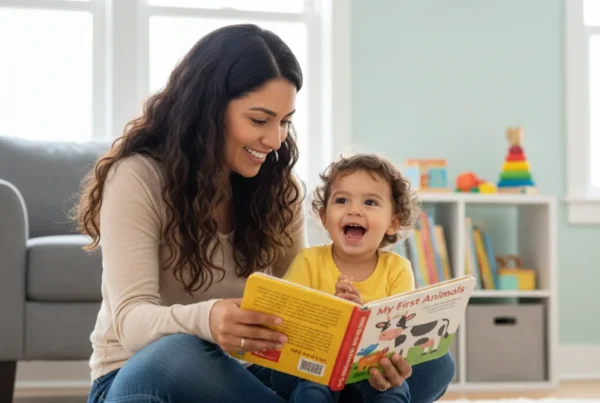
Creating a language-rich environment at home gives your child the best foundation for speech development. This means talking to your child throughout the day, reading books together regularly, and responding enthusiastically to their communication attempts. Even before they’re saying words, you can narrate what you’re doing, describe what you see, and give them lots of opportunities to hear language.
Limiting screen time, especially for children under 18 months, helps ensure they’re getting enough real human interaction. While educational programs can have some benefits for older toddlers, nothing replaces the back-and-forth interaction that happens during conversations, songs, and play with caring adults.
Pay attention to your child’s hearing health too. Frequent ear infections or fluid in the ears can interfere with speech development because children can’t hear sounds clearly. If your child has recurring ear problems, work closely with your pediatrician to address these issues promptly.
Here are simple daily activities that support speech development:
- Reading books together and talking about the pictures
- Singing songs and nursery rhymes with actions
- Playing simple games like peek-a-boo and pat-a-cake
- Responding to your child’s sounds and attempts at words
Most importantly, follow your child’s lead and interests. If they’re fascinated by trucks, talk about trucks. If they love bathtime, use that time for lots of language play. The more engaged and interested your child is, the more they’ll learn.
Supporting Your Child’s Communication Journey
Spotting potential speech delays early and taking action when needed shows what a caring, attentive parent you are. Remember that getting help doesn’t mean anything is wrong with your parenting – it means you’re doing everything possible to support your child’s development.
Early intervention really works, and children who receive support for speech delays often catch up to their peers completely. The key is getting started as soon as you notice concerns rather than waiting to see if problems resolve on their own. Your child’s brain is incredibly adaptable during these early years, which makes intervention especially effective.
Let’s Talk Speech and Language Therapy in Mission Viejo provides families throughout Orange County with compassionate, expert support for children with speech delays. Jill Dews’ experience developing tools like the Let’s Talk Early Intervention app demonstrates her commitment to helping families access the support they need when they need it most.
Let’s Talk Speech and Language Therapy was recently voted “Best Speech Pathologist” in Ladera Ranch California, a fantastic accomplishment. Call us to see how we can help today!
Let’s Talk Speech and Language Therapy
27285 Las Ramblas, Suite #210
Mission Viejo, California 92691
(949) 218-0508
Driving Directions
Jill Dews, M.A., CCC-SLP
CA License #: SP12461
Link to Verify License
Frequently Asked Questions
What are the early signs of speech delay in toddlers that I should watch for?
Key warning signs include no babbling by 9 months, not speaking single words by 16-18 months, or not combining words by age 2. Also watch for limited vocabulary growth, difficulty following simple instructions, or lack of interest in imitating sounds and words.
When should I be concerned about my toddler’s speech development?
Don’t wait if your child isn’t meeting major milestones like babbling by 12 months or using single words by 18 months. Trust your instincts too – if something feels off about their communication, it’s worth getting a professional evaluation rather than waiting to see what happens.
Can toddlers with speech delays catch up to their peers?
Absolutely! With early intervention and appropriate support, many children with speech delays make significant improvements and catch up completely. The earlier you start addressing concerns, the better the outcomes tend to be, which is why acting quickly when you notice delays is so important.
Related Articles