

Speech therapy exercises work best when children have fun while learning, making play-based activities the foundation of successful communication development. These five expert-recommended exercises capture children’s natural curiosity, promote social interaction, and adapt to different learning styles for maximum effectiveness. Jill Dews, M.A., CCC-SLP, has used these engaging techniques for over 20 years at Let’s Talk Speech and Language Therapy in Mission Viejo, incorporating them into her practice and the Let’s Talk Early Intervention app to help children throughout Orange County develop strong communication skills.
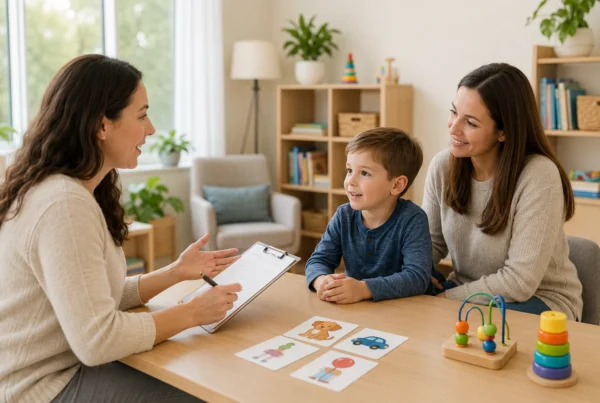
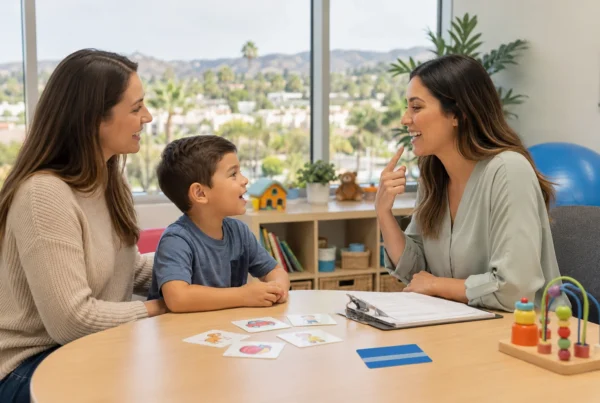
The essence of child speech therapy lies in its ability to engage young minds. At the core of this article are five exercises endorsed by experts that merge enjoyment with education, enabling children to develop speech and language skills through play. These exercises are designed to capture children’s natural curiosity by using colorful flashcards to prompt word identification that not only teaches new words but also holds a child’s attention through visual appeal.
Fun Activities That Build Speaking Skills
The best speech therapy exercises feel like games to children, making them eager to participate and practice their developing communication abilities in natural, enjoyable ways.
Interactive play forms the foundation of effective speech therapy because it stimulates spontaneous conversation in relaxed settings. Role-playing with puppets, dolls, or action figures encourages children to create dialogues and practice different voices, helping them experiment with language while having fun with their favorite characters.
Physical movement combined with speech practice helps children connect words with real experiences. Treasure hunts where children search for hidden objects while describing what they find, or outdoor adventures that involve naming plants and animals, make vocabulary learning exciting and memorable.
Developmental progression ensures that activities grow with children’s abilities, starting with simple word games for beginners and advancing to complex storytelling for more skilled communicators. Here are examples of activities that adapt to different skill levels:
- Simple sound games with musical instruments for early learners
- Picture sequencing activities that build storytelling abilities
- Dramatic play scenarios that encourage creative language use
- Group games that promote turn-taking and conversation skills
Personalized interests make activities more engaging when therapists incorporate each child’s favorite topics, whether dinosaurs, princesses, or sports, into speech practice sessions.
Building Storytelling and Language Skills
Expressive language development helps children learn to organize their thoughts and communicate ideas clearly through structured storytelling and conversation practice.
Sequential picture stories teach children to organize their thoughts logically by looking at a series of images and creating narratives that connect them. This exercise helps children practice putting events in order while building vocabulary and sentence structure skills naturally.
Familiar story retelling allows children to practice narrative skills using stories they already know and love. After reading “Goldilocks and the Three Bears,” children might retell the story in their own words, focusing on using descriptive language and proper sequence of events.
Daily life discussions help children apply their developing language skills to real situations they encounter every day. Conversations about what happened at school, weekend activities, or family events encourage children to use language naturally while practicing important communication skills.
Strengthening Mouth Muscles for Clear Speech
Oral motor exercises help children develop the muscle strength and coordination needed for clear speech production while disguising important practice as fun activities.
Breath control activities teach children to manage airflow for strong, clear speech through enjoyable games. Blowing bubbles, pinwheels, or cotton balls across a table helps children practice sustaining breath while having fun with engaging toys and activities.
Facial muscle exercises strengthen the muscles used for speech articulation through playful activities like making funny faces, playing simon says with facial expressions, or imitating animal sounds that require different mouth positions and movements.
Functional eating activities can be incorporated into therapy when children practice specific chewing and swallowing actions that strengthen speech muscles. Here are examples of oral motor activities:
- Drinking thick smoothies through straws to build suction strength
- Chewing crunchy snacks that exercise jaw muscles appropriately
- Licking sticky foods like peanut butter from lips to improve tongue mobility
- Whistling or humming songs to practice breath control and lip coordination
Sensory play activities that involve texture exploration through safe oral activities help children become more comfortable with different sensations in their mouths.
Making Practice Part of Daily Life
Integrating speech therapy goals into family routines helps children practice their developing skills naturally throughout the day rather than just during formal therapy sessions.
Family reading time becomes speech practice when parents focus attention on challenging sounds or new vocabulary words during story time. This turns a beloved family activity into valuable therapy practice without making it feel like work.
Mealtime conversations provide natural opportunities for practicing speech goals when families engage children in discussions about their day, asking open-ended questions that encourage longer responses and clear pronunciation.
Everyday activities become learning opportunities when parents recognize chances to practice speech skills during routine tasks. Grocery shopping trips can involve naming items, describing colors and shapes, or practicing polite social interactions with store employees.

Tracking Progress and Knowing When to Advance
Monitoring children’s speech development helps parents and therapists understand when current activities are working well and when it’s time to introduce more challenging goals.
Frequency and accuracy observations involve noticing how often children use target sounds correctly during everyday conversations rather than just during structured therapy activities. This real-world application shows whether skills are truly developing and becoming automatic.
Social setting adaptability measures how well children apply their speech skills in different situations with various people. Children who can use their developing skills confidently at home, school, and in community settings demonstrate true progress and readiness for new challenges.
Developmental benchmarks provide guidelines for introducing new goals at appropriate times without overwhelming children or moving too quickly through important foundational skills. Careful progression ensures that each new skill builds successfully on previously mastered abilities.
Progress celebration recognizes improvements and motivates continued effort, helping children feel proud of their achievements and excited about continuing to develop their communication skills.
Supporting Families with Resources and Training
Family involvement significantly impacts speech therapy success, making parent education and support essential components of effective communication intervention programs.
Visual guides and demonstrations help parents understand proper techniques for practicing speech exercises at home. Clear instructions with pictures or videos ensure that home practice aligns with professional therapy goals and methods.
Regular communication between therapists and families keeps everyone informed about progress and provides opportunities to adjust home practice activities based on changing needs and developing skills.
Parent training workshops teach families effective strategies for encouraging speech development during daily interactions. Here are key topics covered in family education programs:
- Positive reinforcement techniques that motivate without creating pressure
- Natural conversation strategies that promote language development
- Recognition of progress indicators and developmental milestones
- Problem-solving approaches for common challenges that arise during practice
Community connections help families access additional resources and support networks that enhance their children’s communication development beyond what individual therapy can provide.
Best Practices for Home Speech Development
Successful speech therapy depends on creating supportive environments where children feel comfortable practicing their developing communication skills without pressure or criticism.
Customized practice activities fit naturally into each family’s lifestyle and interests, making it easier for parents to provide consistent support without disrupting their normal routines. Activities that match family preferences are more likely to be used regularly.
Encouraging feedback techniques help parents provide support that builds confidence rather than creating anxiety about speech performance. Learning to highlight successes before gently addressing areas for improvement maintains children’s motivation and willingness to practice.
Natural conversation emphasis ensures that speech practice feels like normal family interaction rather than formal exercises. When parents engage in genuine conversations with their children without overemphasizing corrections, learning happens organically and enjoyably.
Patience and consistency in approach allow children to develop at their own pace while receiving steady encouragement and support from their families throughout their communication development journey.
Creating Lasting Communication Success
Effective speech therapy exercises create collaborative environments where children, families, and therapists work together to build strong communication foundations that support lifelong success in social, academic, and personal relationships.
Collaborative partnerships between families and speech therapists ensure that children receive consistent support across all settings where they spend time. When everyone works toward the same goals using similar approaches, children make faster progress and feel more confident about their developing abilities.
Creative learning experiences that combine education with entertainment keep children engaged and motivated to participate actively in their communication development. Fun activities disguise important practice as play, making therapy something children look forward to rather than endure.
Let’s Talk Speech and Language Therapy in Mission Viejo provides families throughout Orange County with expert guidance on implementing these engaging exercises effectively. Jill Dews’ experience developing innovative tools and her deep understanding of child development ensure that families receive practical strategies that work in real-world settings while supporting each child’s unique communication journey toward confident, effective expression.
Let’s Talk Speech and Language Therapy
27285 Las Ramblas, Suite #210
Mission Viejo, California 92691
(949) 218-0508
Driving Directions
Frequently Asked Questions
What are effective home exercises for child speech therapy?
Simple, interactive activities like storytelling with picture books, role-playing games with favorite characters, and fun articulation practice during daily routines can significantly improve your child’s speech skills. The key is making practice feel like play rather than work through engaging, age-appropriate activities.
How often should we practice speech therapy exercises?
Daily practice integrated into normal family activities works better than formal practice sessions. Look for natural opportunities throughout the day to encourage speech development, such as during meals, bath time, or while playing, rather than setting aside specific times that might feel stressful.
Can parents help with speech therapy, and if so, how?
Parents play a crucial role in speech therapy success by incorporating therapeutic activities into daily interactions and play. By following guidance from qualified speech therapists and practicing consistently at home, families can significantly accelerate their child’s communication development and build confidence in natural settings.
Related Articles