
When a preschool teacher mentions that a child’s speech errors follow a pattern rather than being random, many parents in Mission Viejo are hearing the term phonological disorder for the first time. Jill Dews, MA, CCC-SLP, founded Let’s Talk Speech and Language Therapy in 2002 to give South Orange County families clear answers about what that means and what treating it actually costs. She has worked with families from Palmia to Evergreen Ridge for more than two decades, and she welcomes that conversation from the very first call.
The cost of phonological therapy depends on the specific patterns involved, how early treatment begins, and how consistently sessions happen week to week. Jill Dews and her team at Let’s Talk walk every Mission Viejo family through a realistic picture of the investment before anyone schedules a single appointment. Starting earlier almost always means fewer total sessions, a shorter overall course of treatment, and a child who reaches intelligible speech before the school years create additional pressure.
What Phonological Therapy Costs Per Session in Mission Viejo
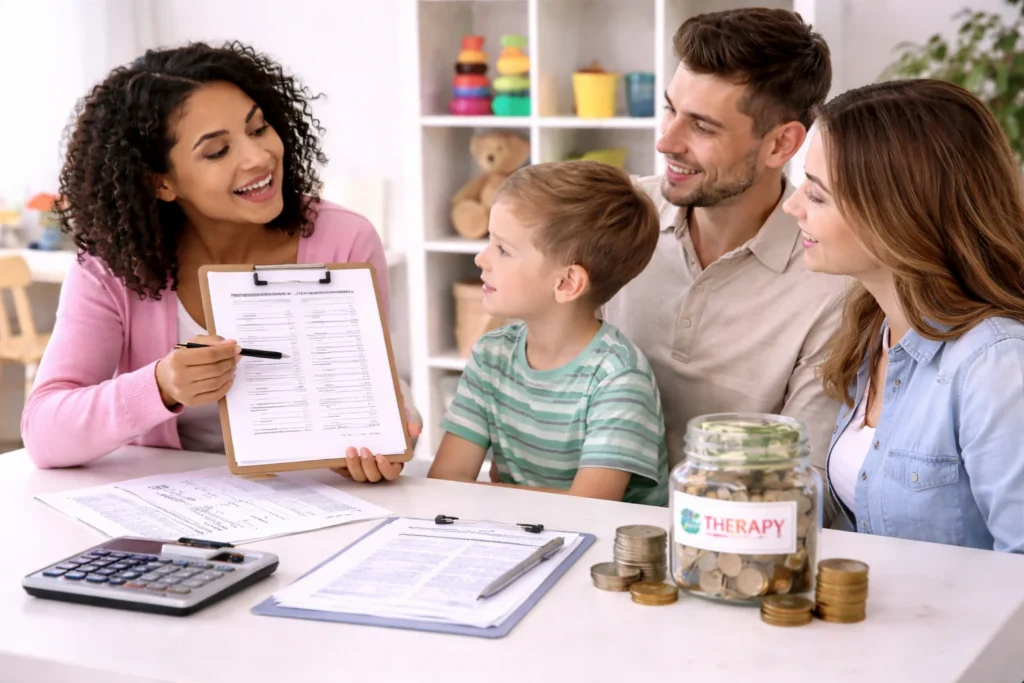
Private phonological therapy sessions in Mission Viejo typically run between $150 and $250 per session depending on session length and the provider. Initial evaluations are billed separately and range from $200 to $400 based on the scope of the assessment and the number of phonological patterns identified. Most practices offer 30-minute and 60-minute options, and the length chosen affects both the rate and the pace of progress.
Parents in Canyon Crest and Pacific Hills often ask whether private phonological therapy is worth the investment compared to waiting for the school district to intervene. For children under five, school-based services are limited or unavailable, and the preschool years are precisely when phonological patterns are most responsive to targeted treatment. Acting during that window typically means fewer total sessions and a lower overall investment even when the per-session rate feels significant at the outset.
What a Phonological Disorder Actually Is and Why It Needs Different Treatment
A phonological disorder is not a simple articulation problem or a motor speech issue. It is a rule-based error in a child’s sound system where the child consistently applies the wrong sound rules across whole categories of speech. A child with fronting, for example, replaces all back sounds like K and G with front sounds like T and D across every word, not just occasionally.
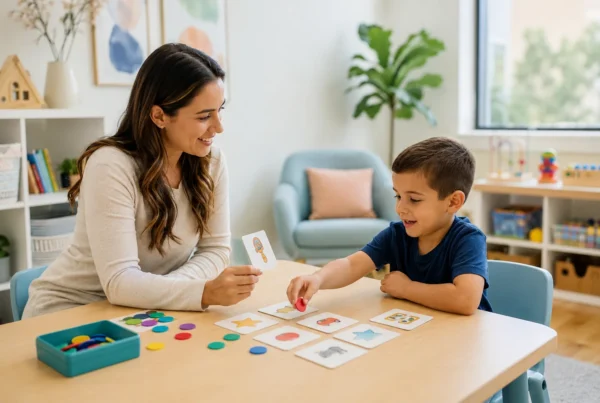
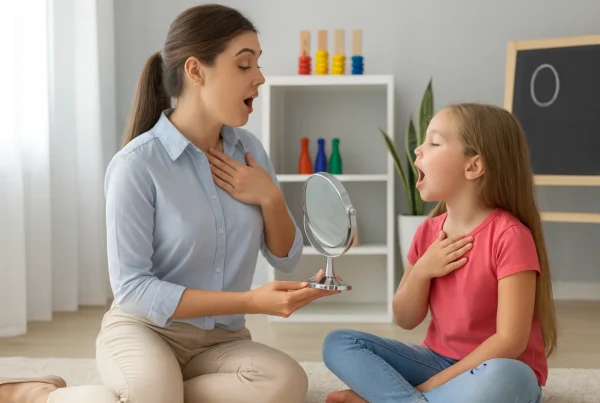
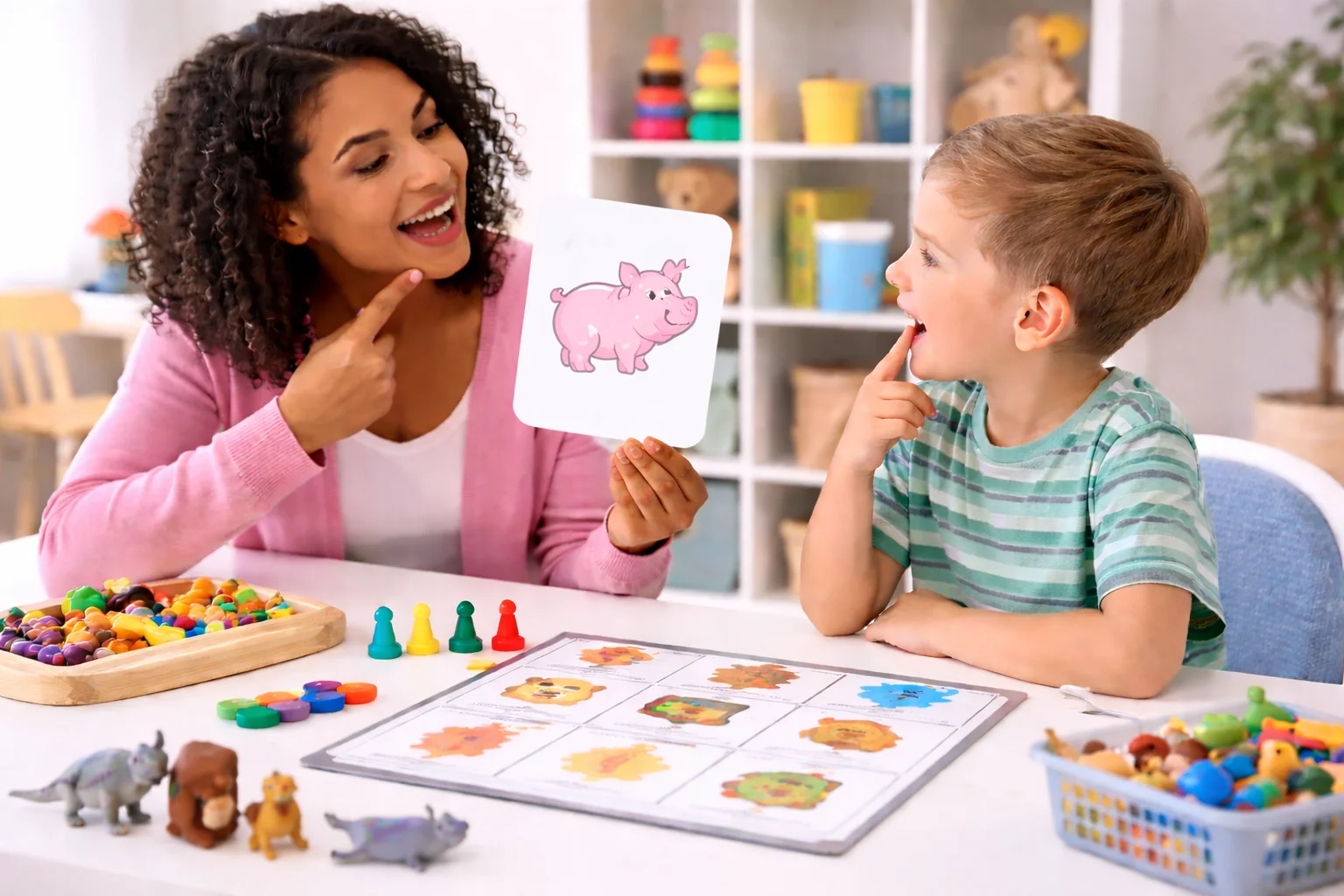
That systematic pattern is what makes phonological therapy different from other approaches. The goal is not to drill one sound until it improves. The goal is to reorganize the child’s internal understanding of how the sound system works by targeting the underlying rule rather than each individual error. Jill Dews uses evidence-based methods at Let’s Talk, including the cycles approach and minimal pairs therapy, to address phonological patterns at the system level rather than sound by sound.
Does Insurance Cover Phonological Therapy for Kids?
Phonological disorders are well recognized by major insurers and tend to have cleaner coverage pathways than more specialized diagnoses. That said, documentation still matters, and knowing what your plan requires before you schedule prevents delays and unexpected costs. The team at Let’s Talk helps families understand exactly what their insurer needs before the first appointment.
Here is what to verify with your insurance provider before booking at Let’s Talk:
- Ask whether phonological or speech sound disorders are covered under your plan’s speech therapy benefit
- Confirm whether a physician referral or formal diagnosis code is required before sessions begin
- Ask whether prior authorization is required and how many sessions per year your plan will approve
- Find out whether Let’s Talk Speech and Language Therapy is in-network under your current plan
- Ask whether the evaluation is billed as a separate claim from ongoing weekly sessions
- Confirm your deductible status and whether out-of-pocket costs apply before coverage begins
Even partial coverage adds up meaningfully over several months of consistent weekly sessions. The team at Let’s Talk helps Mission Viejo families sort through the insurance process from the start so the focus stays entirely on their child’s progress. Families consistently tell Jill that having that clarity upfront made the decision to start therapy much easier.
Phonological Therapy vs. Articulation Therapy: What Is the Difference
Parents often ask whether phonological therapy and articulation therapy are the same thing. They are not, and understanding the difference helps families make a confident decision about which type of evaluation to seek. Both involve speech sounds, but the underlying problem and the treatment approach are meaningfully different in ways that affect the entire course of treatment.
The comparison below lays out the key distinctions so you can walk into an evaluation at Let’s Talk knowing exactly what to ask and what to expect.
| Factor | Phonological Therapy | Articulation Therapy |
| Underlying problem | Rule-based errors in the sound system | Difficulty producing specific sounds correctly |
| Typical age of concern | Ages 2 to 5 | Ages 4 to 8 depending on the sound |
| Treatment approach | Targets sound patterns and rules | Drills individual sound production |
| Session targets | Sound categories and contrasts | Specific phonemes at word and sentence level |
| How progress is measured | Reduction in error patterns across all words | Accuracy on target sounds in structured contexts |
| When school services are typical | Rarely before kindergarten | Often available from age 5 or 6 |
Knowing whether your child has a phonological disorder or an articulation delay changes the entire treatment approach, the session structure, and the timeline for reaching intelligible speech. Jill Dews conducts thorough evaluations at Let’s Talk that distinguish between the two clearly, so the treatment plan targets exactly what the child needs rather than a best guess. Families in Mission Viejo consistently describe that diagnostic clarity as one of the most valuable things they take from the first appointment.
How Many Sessions Does Phonological Therapy Typically Take
The total number of sessions depends on how many phonological processes are involved, the severity of the patterns, and how consistently home practice happens between appointments. Children with one or two mild phonological processes often see significant improvement within three to six months of weekly sessions using approaches like minimal pairs therapy. Those results tend to hold because the treatment reorganizes the sound system rather than targeting isolated sounds one at a time.
Children with multiple active processes or more pronounced patterns typically work through a longer course of treatment ranging from six to twelve months. The cycles approach rotates through target patterns in structured blocks and is often used when errors are widespread, since it allows multiple patterns to develop simultaneously. Jill Dews adjusts the approach and timeline at Let’s Talk based on how each child responds, and she reviews progress with families regularly so the plan always reflects where the child actually is right now rather than where a general timeline assumes they should be.
Children who practice phonological contrasts at home between sessions consistently move through patterns faster than those who work on them only during appointments. Jill teaches families the specific home practice techniques that match the treatment approach used in each session, making it possible to keep progress moving even on days without a scheduled appointment.
What Families in Mission Viejo Notice After Starting Phonological Therapy
The shift that happens when a child’s sound system begins organizing more accurately is one of the most noticeable changes families describe. It tends to happen gradually at first, then suddenly, and parents often describe it as the moment strangers outside the immediate family can finally understand their child in conversation. That moment is what the whole investment is working toward.
Here is what families in Mission Viejo consistently report after the first few months of phonological therapy at Let’s Talk:
- Their child begins applying correct sound rules across whole categories of words rather than just practiced targets
- Intelligibility improves noticeably in connected speech, not just single-word drills
- Preschool and kindergarten teachers report stronger participation and growing confidence
- Extended family members begin understanding the child more easily without asking for repetition
- Parents feel equipped to run home practice using the specific contrast activities Jill introduces each session
- Progress toward clearer speech feels visible and trackable from one month to the next
The Let’s Talk Early Intervention App, available on the Apple App Store, extends Jill Dews’ approach into the home environment between weekly sessions. Families across Casta del Sol and Mission Viejo use it to keep phonological contrasts fresh and practice consistent on days without a scheduled appointment. Regular daily repetition is what moves a sound rule from cued to automatic, and the app makes that sustainable for busy families without requiring clinical expertise from the parent.
You Caught This Early. Here Is What to Do Next.
You noticed the pattern before most parents would have, and that early attention puts your child in a significantly better position than if you had waited for the school system to flag it first. Jill Dews, MA, CCC-SLP, is a California licensed Speech-Language Pathologist, a member of the American Speech-Language-Hearing Association, and the founder of Let’s Talk Speech and Language Therapy, where she has spent more than 20 years helping children in Palmia, Canyon Crest, and across South Orange County develop clear, confident speech through focused, evidence-based intervention.
Schedule an evaluation at Let’s Talk Speech and Language Therapy and walk away with a clear picture of which patterns are involved, what the treatment plan looks like, and what the investment will be. Jill Dews and her team answer every question before you commit to anything. Reach out today at letstalkspeechandlanguagetherapy.com.
Let’s Talk Speech and Language Therapy
27285 Las Ramblas, Suite #210
Mission Viejo, California 92691
(949) 218-0508
Driving Directions
Jill Dews, M.A., CCC-SLP
CA License #: SP12461
Link to Verify License
Frequently Asked Questions
How much does phonological therapy cost in Mission Viejo, CA?
Private phonological therapy sessions in Mission Viejo typically range from $150 to $250 per session, with initial evaluations running between $200 and $400. The evaluation identifies which phonological processes are active and drives the entire treatment plan, making it the most important step in the process. The American Speech-Language-Hearing Association recommends a comprehensive speech sound disorder evaluation before beginning any phonological treatment. Many insurance plans cover phonological therapy when a physician documents medical necessity, so verifying coverage before scheduling helps reduce out-of-pocket costs from the start.
Will insurance cover my child’s phonological therapy sessions?
Most major plans cover phonological therapy as part of their speech-language therapy benefit when it is deemed medically necessary. Plans commonly require a physician referral, prior authorization, and a confirmed speech sound disorder diagnosis code before approving sessions. The American Speech-Language-Hearing Association advises families to verify whether their plan covers private outpatient therapy specifically, since some plans limit reimbursement to school-based services. Checking your annual session cap and deductible status before the first appointment prevents unexpected gaps in coverage mid-treatment.
How long does phonological therapy take to work?
Duration depends on how many phonological processes are involved, the child’s age when therapy begins, and the consistency of sessions and home practice. Children with one or two mild patterns often see significant improvement within three to six months of weekly sessions, while more widespread errors typically take six to twelve months. The American Academy of Pediatrics recommends beginning intervention as early as a concern is identified, since earlier treatment consistently produces faster and more durable outcomes. Children who actively practice contrasts at home between sessions reach their goals measurably faster than those who rely on in-office work alone.
What is the difference between phonological therapy and articulation therapy?
Articulation therapy focuses on teaching a child to produce specific sounds correctly at the movement level, while phonological therapy targets the underlying rule system that governs how a child uses sounds across all words. A child who cannot say the R sound has an articulation concern, while a child who replaces all back sounds with front sounds across every word has a phonological concern. The National Institute on Deafness and Other Communication Disorders notes that speech sound disorders include both subtypes, each requiring a different treatment approach matched to the specific diagnosis. An evaluation by a qualified SLP like Jill Dews at Let’s Talk identifies which type is present and builds a treatment plan around that finding.
Related Articles