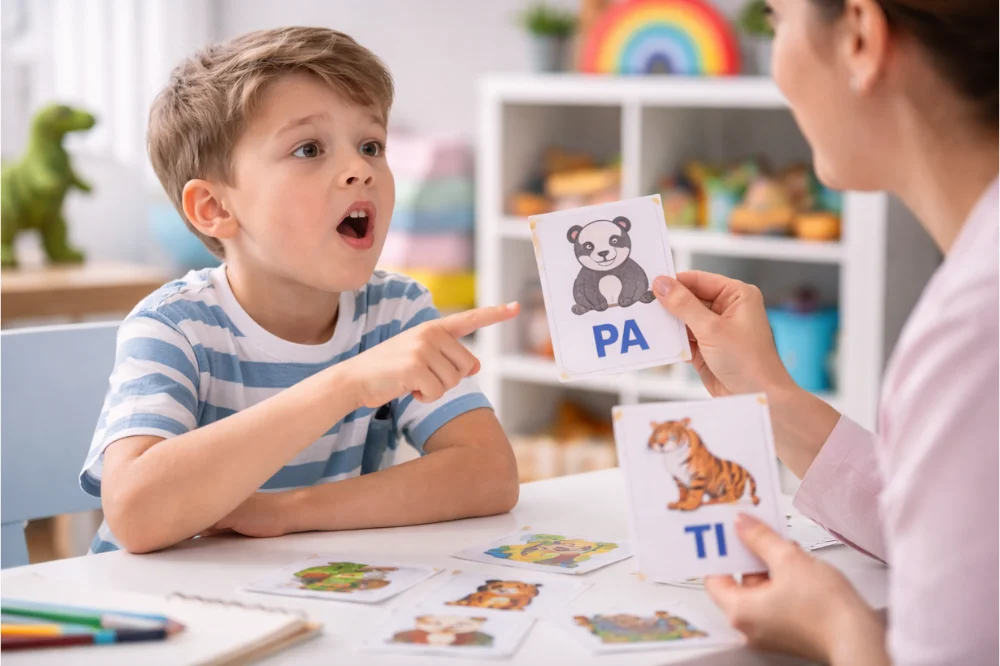

If your child knows what they want to say but the words come out jumbled, choppy, or inconsistent, you may be wondering if it could be childhood apraxia of speech. Parents in Mission Viejo often notice late talking, unclear speech, or frustration during talking attempts and want a clear explanation plus simple next steps close to home.
This guide explains childhood apraxia of speech in plain language. You will learn what it is, early signs by age, how it is diagnosed, what effective therapy looks like, and how families in Mission Viejo can get help locally. The goal is clarity and calm, not medical overload.
This page reflects current guidance used by experienced pediatric speech therapists and aligns with standards from leading children’s hospitals and professional organizations. It is informed by the clinical experience of Jill Dews, M.A., CCC-SLP, founder of Let’s Talk Speech and Language Therapy, who has supported children with motor speech disorders in Mission Viejo and Orange County since 2002.
What Is Childhood Apraxia of Speech?
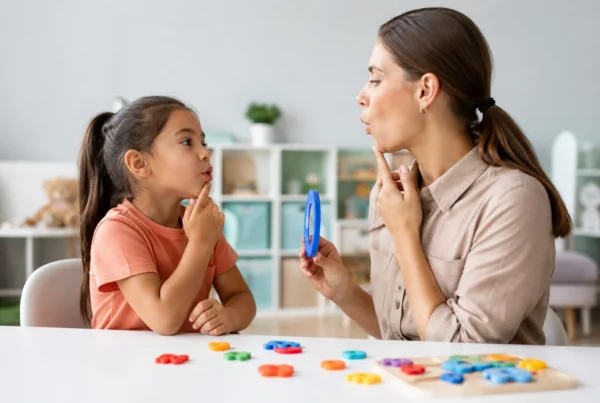
Childhood apraxia of speech is a motor speech disorder. The brain has difficulty planning and coordinating the movements of the lips, tongue, and jaw needed for clear speech. The muscles are usually strong enough, but the messages telling them how to move arrive late or out of order.
A helpful way to think about it is this. The brain is the coach and the mouth muscles are the players. In childhood apraxia of speech, the coach’s instructions are mixed up, even though the players are ready to go. Children often know what they want to say and understand language well, but their speech sounds inconsistent or effortful.
This condition is not caused by laziness, stubbornness, or low intelligence. It is relatively rare compared to other speech sound disorders, which is why evaluation by a pediatric speech-language pathologist with motor speech experience matters. Children do not simply grow out of apraxia without the right kind of therapy.
Signs and Symptoms of Childhood Apraxia of Speech
The individual signs can feel subtle at first, especially in toddlers. What matters most is the pattern you see over time, not a single missed sound or word. Common features include inconsistent errors, difficulty moving smoothly from one sound to the next, visible effort or groping when trying to speak, and unusual rhythm or stress. A child may say the same word differently each time, even in the same day.
Because age matters, the table below shows patterns that may raise concern compared with more typical speech differences.
| Age Range | Possible Signs of Childhood Apraxia of Speech | May Be Typical or Another Delay |
| Toddler | Limited babbling, few clear words, inconsistent word attempts | Late talker with steady word growth |
| Preschool | Choppy speech, trouble combining sounds, frequent sound changes | Consistent sound errors like lisps |
| Early School Age | Poor stress and rhythm, speech hard to understand in sentences | Rule-based sound patterns |
If you notice several of these signs across months, it is reasonable to seek an evaluation. Trust your instincts, especially if frustration is increasing or progress feels stalled.
How Childhood Apraxia of Speech Is Different From Other Speech Delays
Not all unclear speech is apraxia, and that distinction is important. Many children have articulation delays where specific sounds are hard, but the errors are consistent and predictable. Phonological disorders involve patterns, like leaving off ending sounds, rather than difficulty planning movements. In contrast, childhood apraxia of speech involves trouble sequencing movements, which leads to inconsistency and disrupted rhythm.
Speech differences can also occur alongside autism, hearing loss, or structural differences. An experienced speech-language pathologist looks at patterns across many words and tasks to sort this out. Online checklists cannot replace a full evaluation, especially when motor planning is involved.
What Causes Childhood Apraxia of Speech?
In many children, there is no single clear cause. Childhood apraxia of speech is considered a neurological motor speech disorder that begins early in development. Sometimes it is associated with genetic conditions, neurological differences, or brain injury. Many children with apraxia have no identifiable medical event that explains it.
What matters most for families is this. You did not cause apraxia. Screen time, parenting style, or not talking enough do not create this condition. The focus should stay on what helps your child communicate more easily going forward.

How Childhood Apraxia of Speech Is Diagnosed
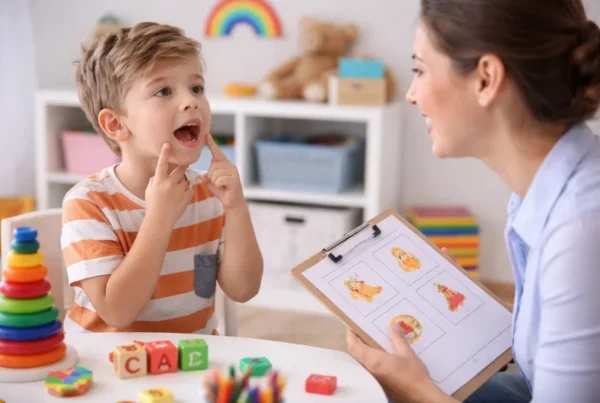
A thorough evaluation does more than apply a label. It guides the therapy plan that follows. Diagnosis is made by a speech-language pathologist through a detailed assessment. This includes a case history, observation of sounds and words, oral motor movements during speech, and how a child responds to cues and repetition.
Often the clinician uses dynamic assessment. This means trying different supports during the session to see what helps speech become clearer. Sometimes a child is identified as having suspected apraxia at first, with the diagnosis refined as therapy progresses and patterns become clearer.
Evidence-Based Treatment for Childhood Apraxia of Speech
With the right approach, many children with apraxia make meaningful progress. Treatment focuses on motor learning, which means frequent, accurate practice of carefully chosen speech targets.
Effective therapy is typically more intensive than standard articulation work. Approaches like Dynamic Temporal and Tactile Cueing, Rapid Syllable Transition Treatment, and the Nuffield Dyspraxia Programme emphasize repetition, sequencing, and gradual reduction of cues.
At Let’s Talk Speech and Language Therapy, sessions are individualized and adjusted constantly based on response. Families often see steady gains over time, even if progress feels gradual at first. The long-term goal is confident, functional communication at home, school, and in the community.
How Parents Can Support a Child With CAS at Home
You are your child’s most important communication partner, and support at home makes therapy more effective when it stays realistic and positive.
Here are a few ways families often help without turning home into another therapy room.
- Practice in short bursts using the exact target words from therapy.
- Build practice into daily routines like meals, play, or getting dressed.
- Focus on encouragement and effort, not constant correction.
Avoid drilling or pushing too hard. Quality matters more than quantity. Celebrate small wins, model calmly, and follow your therapist’s guidance so practice stays aligned with motor learning goals.
Local Support for Childhood Apraxia
Families in Mission Viejo do not need to travel far for specialized care. Support for childhood apraxia of speech is available locally in Orange County.
Let’s Talk Speech and Language Therapy is located at 27285 Las Ramblas, Ste #210, Mission Viejo, CA 92691. The clinic works closely with local pediatricians and schools and helps families navigate insurance, scheduling, and IEP coordination when needed.
Many families come from nearby neighborhoods like Pacific Hills, Canyon Crest, Painted Trails, and Palmia. Appointments are designed to fit busy schedules, with clear communication at every step. You can find the practice on Google Maps here: https://www.google.com/maps?cid=10315992536857817886.
Frequently Asked Questions
What does childhood apraxia of speech sound like?
It often sounds inconsistent and effortful, with the same word said differently each time, unusual pauses or stress, and visible struggle when trying to speak. Parents notice that their child understands well but cannot get words out clearly, which leads to frustration and avoidance of talking.
Can a child outgrow childhood apraxia of speech?
Children do not typically outgrow apraxia without specialized therapy. With early, targeted treatment focused on motor planning, many children make strong gains and continue improving over time, especially when therapy intensity and home support are well matched.
How often should therapy happen for childhood apraxia of speech?
Therapy is usually more frequent than for other speech delays because the brain needs repeated, correct practice to build new motor plans. The exact schedule depends on the child, but progress is best when sessions are consistent and supported at home.
When should I schedule an evaluation?
If your child shows several apraxia signs over months, struggles with inconsistent speech, or has not progressed with general speech therapy, it is time to schedule an evaluation. Early clarity helps families move forward with confidence and the right plan.